|
Pennsylvania is not just a Mecca for coal mining, but it also holds two different types of coal fields: Bituminous Fields in the west and Anthracite Fields in the east. My family is from the Susquehanna area in the east where the much harder Anthracite coal was mined. It's special coal because it has the highest heating value of any other type, since it can can contain up to 97% carbon. Unlike Bitumionous coal, Anthracite is used to heat homes as well as for electricity. My grandfather and great-great-grandfather before him made their living by running a dredging operation on the Susquehanna that lasted until my grandfather's death in 1982. Not surprisingly, he passed due to Cancer of the stomach and the liver. So did lots of other men from the coal region. The following is an exerpt my Uncle Bob wrote to me in response to my inquiry:
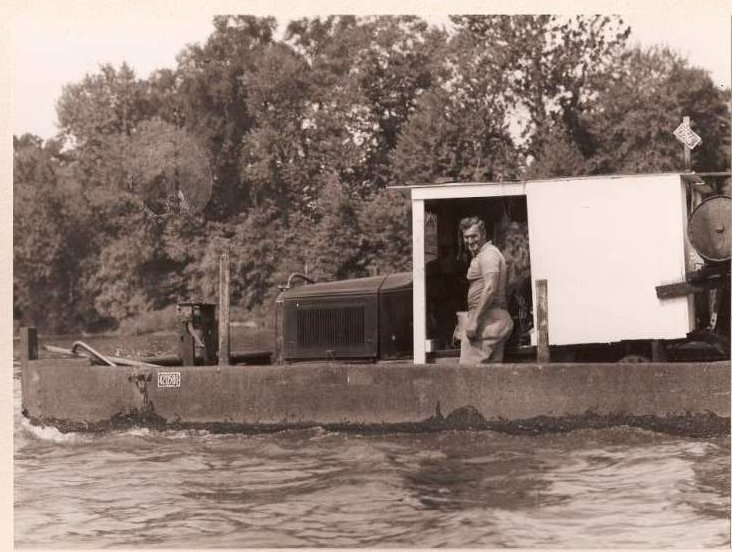
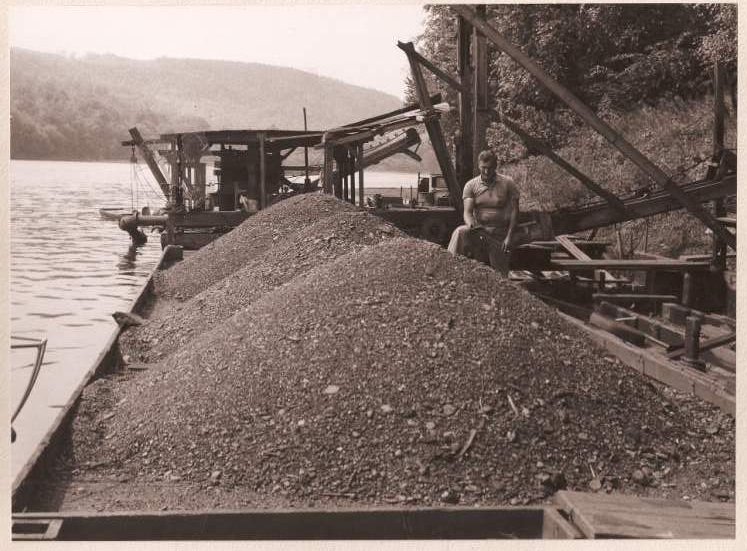
"The old lad followed his grandfather into the river coal business. Some of these guys made pretty good money, something that would maintain an upper-middle class lifestyle by, in effect, scavenging. When the large underground anthracite mines dug up coal and processed it for selling, they dumped all the fine coal-- it went by names like rice, barley and pea-- into the Susquehanna River. The discarded fine coal moved along the river bottom at a speed determined largely by water volume-- the deeper the water the faster it moved. guys like the old lad had boats located 40 or 50 miles downstream that pumped the fine coal off the river bottom onto large flat boats, which they pushed to shore. They used conveyer belts to take the fine coal off the flat boat, ran it through a processor that romoved stones and sorted the coal into sizes and then dumped it only large piles. The old lad sold the coal to local businesses and to homes for heating. He had some good years and some bad years. then came state and federal environmental protection regulations. No more dumping of fine coal into the Susqhehanna, and no more river coal business. As I recall, this happened in the early 60's. A small sort of jerry-rigged industry running the length of the Susqhehanna from Scranton to Bloomsburg and below, destroyed by environmental protection laws."
I followed this up with my dad, who further explained that basically they were using the same kind of dredges that are used not to remove silt in order to widen rivers. Prior to the mid-1800's, PA Anthracite coal made up 1/2 the US coal supply. This part of PA is where 97% of the country's Anthracite coal is located. However, until the 1900's, when my great-great-grandfather started his river-side business, the furnace technology wasn't so efficient and coal had to be a certain size in order to be heated as energy.
|
|
|
|
|
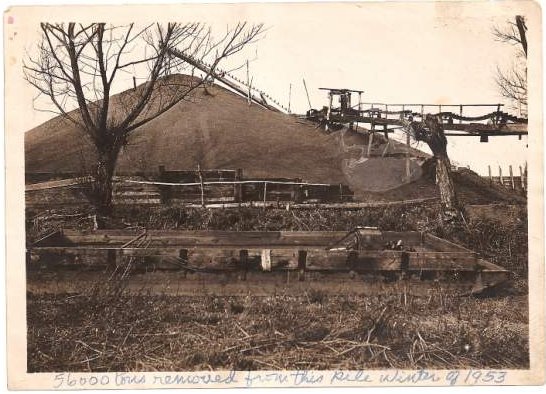
The mines would break the coal down into what were called breakers, and the residual pieces plus chunks that accidentally slipped away were whisked down the Susquehanna and tended to deposit together in select areas of the river bed. Eventually, not only were furnaces capable of burning any size of coal, but major PA power company PP&L specialized in using powder-like coal that they actually sprayed into their furnaces, resulting in it exploding. My grandfather owned his own dredging business for some time, and ultimately ended up managing The Winnie Land Company, an operation that took in approximately $1 million yearly (rough year range is 1950's to 1980's). He was known as an engineering genius in those parts, though he never attended college, and the company shut down when he passed away. This was partly because no one else knew how to run it, but also because the coal industry was declining. At the Winnie Land Company, he was charged with finding ways to remove waste coal piles from the land and commercially market it.. By the time he switched from river coal to this new area of waste coal, it was no longer cost-effective to dig deeper into the river bed. The slowing down of mining was definitely a repercussion of the tighter regulations enforced by the Pennsylvania Department of Environmental Protection, and my family's industry was directly affected by the production in the actual underground coal mines.
|
|